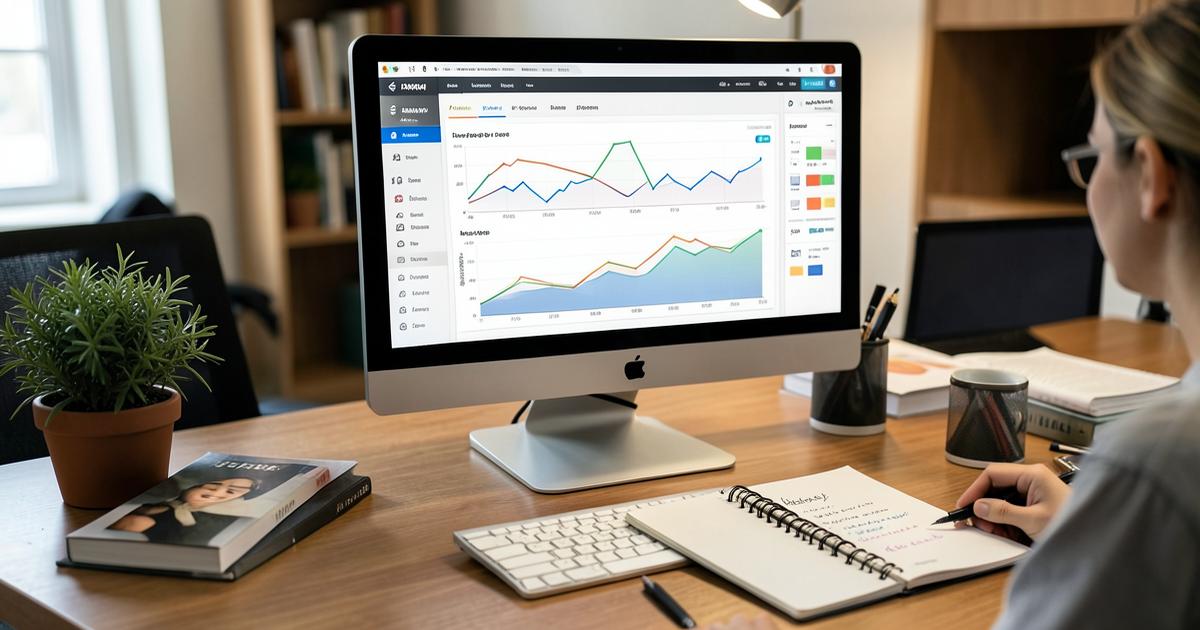
The pitch for async video is simple: most status meetings are one person talking while everyone else waits. Record it instead and you give back an hour of calendar time. We tried it properly for two months, replacing a third of our recurring meetings with Loom videos, and tracked who actually watched.
The recording flow is the product
Hit the shortcut, pick screen or camera, talk, stop. The link is on your clipboard before the video finishes processing. That friction level is why people use it — anything slower and they schedule a meeting instead.
The AI features add real polish: an automatic title, a summary and chapters, all generated before you have finished writing the Slack message.
What worked
Design feedback, bug reports and onboarding walkthroughs were unambiguous wins. Showing beats describing, and the recipient watches at 1.5x when it suits them.
- Bug reports with a recording were fixed noticeably faster than written ones
- New starter onboarding library replaced three repeat calls
- Weekly written-plus-video updates had higher engagement than either alone
What did not
Anything needing discussion. A recorded video announcing a decision people disagreed with produced a worse conversation than a meeting would have. Long videos also died: analytics showed completion falling off a cliff past ten minutes, and the recordings people ignored were always the longest ones.
Pricing and rivals
Fifteen dollars per user per month is fine for a few heavy recorders and expensive if you licence a whole team who record twice a year. Screen Studio produces prettier videos for a one-off fee but has no sharing platform; Vidyard targets sales teams with more tracking.
Verdict
Loom does one job faster than anything else. Buy seats for the people who explain things for a living, keep recordings under five minutes, and enjoy the calendar space.